Design Faculty Learning Systems
CREATE COHERENCE AND CONSISTENCY IN FACULTY LEARNING
Design frameworks, structures, and processes that support faculty learning over time—so growth is intentional, aligned, and sustainable.

Aligned Structures

Collective Clarity

Leadership Continuity

Professional development can be thoughtful and engaging, yet still lack a clear throughline into daily practice.
Faculty participate fully, but follow-through may be uneven. Improvement depends on individual initiative rather than a shared, school-wide approach. New ideas fade unless they are applied and adapted in context.
Over time, these patterns point to a broader design challenge. Without a system designed to support school-wide improvement, progress can lose momentum, especially as priorities shift and new challenges emerge.

When Growth Efforts Don’t Add Up
Foundations for Coherent Faculty Learning

-
Faculty and leaders develop a shared understanding of what meaningful growth looks like—how adult learning connects to student learning, school priorities, and a clear vision of practice—so growth is purposeful rather than diffuse.
-
Key elements such as observation and feedback, goal‑setting and reflection, student feedback, roles and responsibilities, and time for learning are designed or refined to work together, ensuring faculty growth is coherent, feasible, and supported in daily practice.
-
Faculty learning systems are designed to support ongoing growth, experimentation, and innovation, creating conditions that help schools cultivate talent, support retention, and thoughtfully onboard new faculty. Rather than resetting with each transition, systems evolve over time, allowing practice to adapt and deepen while maintaining coherence and direction.
Collaborative, Responsive System Design
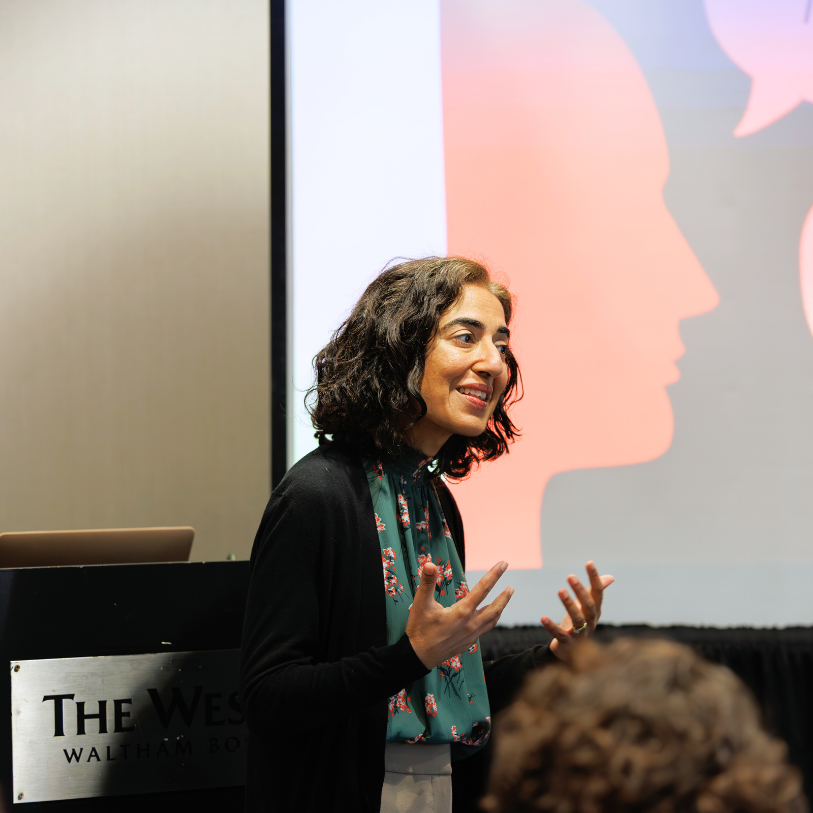
I’ve helped independent schools like yours improve, refine, and completely redesign their faculty growth systems.
The result? A true learning organization that experiences growth and discovery at every level, from the most senior leader to the youngest student.
My process is highly collaborative and responsive, centering educators’ experiences and reflections.
I build trust and shared understanding early, creating buy-in with your faculty and leaders before new practices and systems are even in place.
By designing with your faculty instead of for them, I help you develop a sustainable, coherent growth system that supports a thriving learning culture for years to come.
How the Work Unfolds

Clarify the Focus & Scope
We begin by examining your school’s existing structures for faculty learning, clarifying priorities, and aligning on what coherence should look like so the work ahead is purposeful, relevant, and grounded in your school’s context.

Design Coherent Systems
Together, we design or refine structures and processes that connect professional learning, feedback, and leadership support into a cohesive approach that faculty and leaders can understand and sustain.

Implementation & Learning
Systems are shaped to fit your school’s culture and capacity, with attention to how they are introduced, supported, and refined over time so learning becomes embedded rather than episodic.
Frequently Asked Questions
-
This work is typically structured as a collaborative partnership over time. The scope and pace are shaped by the school’s context, priorities, and existing structures, allowing systems to be designed or refined thoughtfully rather than rushed.
-
Yes. This service often builds on earlier assessment or leadership development work, using those insights to inform system design. It can also stand on its own when schools are ready to focus directly on coherence and long-term structures.
-
Equity-informed practice is woven throughout the design of faculty learning systems. This includes attending to how bias can show up in observation, feedback, goal-setting, and decision-making, and designing structures that support faculty across career stages without relying on fixed assumptions about experience or expertise. The goal is to foster reciprocal learning, challenge default hierarchies of expertise, and create more equitable access to growth across difference.
-
Yes. Findings and design recommendations can be adapted into presentations for different audiences, including board presentations or faculty sessions, with slide decks and facilitated conversations as appropriate.
-
Implementation support can be included to help leaders and faculty put new structures into practice, gather feedback, and refine systems over time as the school learns what works best in its context.
More questions?
If you have a question that isn’t addressed here or want to explore whether this work is a good fit for your school I’m always happy to connect.
Feel free to reach out, and we can talk through what you’re navigating and what support might be most helpful.
Email: indu@door21consulting.com

Moving beyond the status quo.
When faculty learning systems are left unchanged, schools often default to maintaining the status quo—or responding to change only when pressure mounts. Growth becomes reactive, episodic, and difficult to sustain.
What might shift at your school if faculty learning were supported by coherent systems designed to evolve practice over time—rather than relying on one‑off initiatives or urgent course corrections?
With clear structures and shared understanding in place, schools build the capacity to adapt thoughtfully, cultivate talent, and support ongoing learning without exhausting faculty or restarting every few years.